


Are there any protectors for plants? This is a question that many gardeners, horticulturists, and plant enthusiasts often ponder. In the world of plants, just as in our human world, protection is crucial for survival and well - being. Let's delve into the various protectors available for plants and how they play a vital role in the plant kingdom.
Natural Protectors for Plants
Nature has its own set of protectors for plants. One of the most well - known natural protectors is the symbiotic relationship between plants and certain microorganisms. For example, mycorrhizal fungi form a symbiotic association with plant roots. These fungi help plants absorb nutrients such as phosphorus and nitrogen more efficiently from the soil. In return, the plants provide the fungi with carbohydrates produced through photosynthesis. This symbiotic relationship not only enhances the plant's nutrient uptake but also helps protect the plant from soil - borne pathogens.
Another natural protector is the presence of beneficial insects. Ladybugs, for instance, are well - known predators of aphids. Aphids are pests that can cause significant damage to plants by sucking the sap from their leaves and stems. Ladybugs feed on aphids, thereby reducing the aphid population and protecting the plants. Similarly, bees and other pollinators play a crucial role in plant protection. They help in the pollination process, which is essential for the reproduction of many plants. Without pollinators, a large number of plant species would not be able to produce fruits and seeds, leading to a decline in their population.
Artificial Protectors for Plants
In addition to natural protectors, there are also artificial protectors that have been developed to safeguard plants. One such protector is the use of pesticides. Pesticides are chemicals that are designed to kill or repel pests that can damage plants. However, the use of pesticides has its own set of challenges. Overuse of pesticides can lead to environmental pollution, harm beneficial insects, and cause the development of pesticide - resistant pests. Therefore, it is important to use pesticides judiciously and in accordance with environmental regulations.
Another type of artificial protector is the use of plant covers. Plant covers can be made of various materials such as plastic, fabric, or netting. These covers can protect plants from harsh weather conditions, pests, and diseases. For example, a plastic cover can protect plants from frost during the winter months, while a netting cover can prevent birds and insects from eating the plants.
Our Company's Role as a Protector Supplier
As a protector supplier, we understand the importance of providing high - quality protectors for plants. We offer a wide range of products that are designed to meet the diverse needs of plant growers. Our products are not only effective in protecting plants but also environmentally friendly.
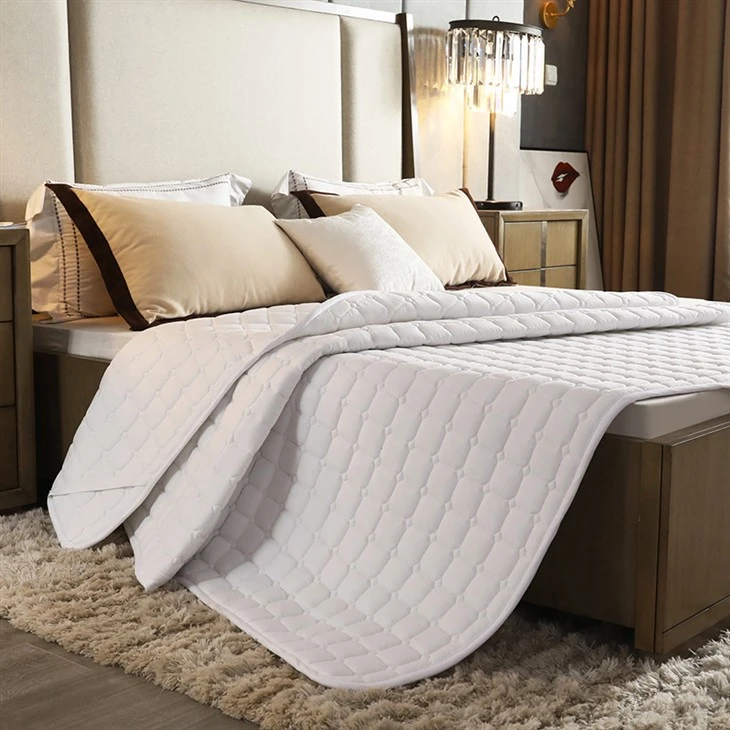
One of our popular products is the Waterproof Fabric Mattress Protector. Although it is named a mattress protector, its waterproof and durable fabric can also be used to cover plants during heavy rain or to protect them from excessive moisture. This protector can prevent water - related diseases in plants and ensure their healthy growth.
Our Microfiber Mattress Cover is another great option. The microfiber material is soft and breathable, which can protect plants from dust, insects, and light frost. It allows air to circulate around the plants, preventing the build - up of humidity that can lead to fungal diseases.
For commercial plant growers, our Hotel Mattress Protector Pad can be used as a large - scale plant cover. It is strong and durable, capable of withstanding harsh weather conditions and protecting a large number of plants at once.
The Importance of Choosing the Right Protector
Choosing the right protector for plants is crucial. Different plants have different needs, and the protector should be selected based on the specific requirements of the plant. For example, a delicate flower may require a more gentle and breathable protector, while a hardy vegetable plant may be able to tolerate a more robust and weather - resistant cover.
It is also important to consider the environmental impact of the protector. As a responsible supplier, we strive to offer products that are made from sustainable materials and have a minimal impact on the environment. Our products are designed to be reusable and recyclable, reducing waste and promoting a more sustainable approach to plant protection.

How to Use Plant Protectors Effectively
Using plant protectors effectively requires some knowledge and skills. When using a plant cover, it is important to ensure that it is properly secured. A loose cover can be blown away by the wind, leaving the plants unprotected. Additionally, the cover should be removed periodically to allow the plants to receive sunlight and fresh air.
For pesticides, it is important to follow the instructions carefully. Over - application of pesticides can be harmful to the plants and the environment. It is also a good idea to rotate the use of different pesticides to prevent the development of pesticide - resistant pests.
Conclusion
In conclusion, there are indeed many protectors for plants, both natural and artificial. As a protector supplier, we are committed to providing high - quality products that can help plants thrive. Our Waterproof Fabric Mattress Protector, Microfiber Mattress Cover, and Hotel Mattress Protector Pad are just a few examples of the products we offer to meet the diverse needs of plant growers.
If you are interested in our products or have any questions about plant protection, we encourage you to contact us for a procurement discussion. We are always ready to assist you in finding the best solutions for your plant protection needs.
References
- Smith, J. (2018). The Role of Symbiotic Microorganisms in Plant Health. Journal of Plant Science, 25(3), 123 - 135.
- Johnson, A. (2019). The Impact of Pesticides on the Environment and Plant Health. Environmental Science Review, 18(2), 78 - 90.
- Brown, C. (2020). Effective Use of Plant Covers for Plant Protection. Horticulture Today, 32(4), 45 - 56.




